

MANAGEMENT
REPORTS
Report of the Board of Directors
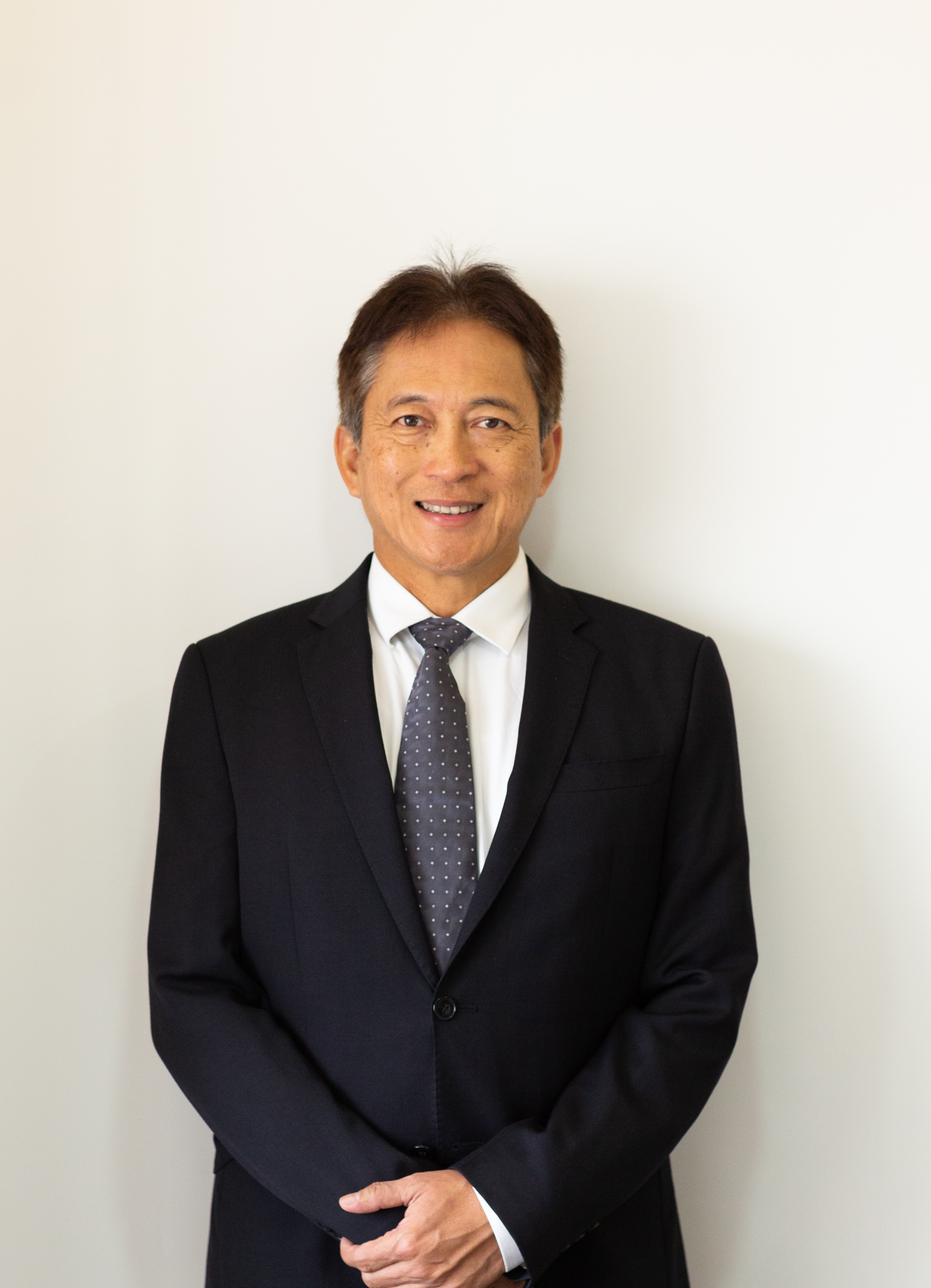
Dear Shareholders and Stakeholders,
Peace and prosperous, may we all be in the goodness and guidance of The God Almighty.
Throughout 2025, Indonesia’s property industry demonstrated considerable resilience despite the persistent global and domestic economic challenges. Steady national economic growth, comparatively controlled inflation, and a robust financial sector were key factors underpinning sustained activity within the property sector. With the national economy expanding at a rate of 5.11% in 2025, the property industry was able to sustain stable performance with moderate growth.
In the residential sector, the demand for housing, particularly landed homes, remained fueled primarily by fundamental housing needs. Government initiatives such as fiscal incentives, combined with more accessible financing, helped sustain consumer buying power and keep sales steady. At the same time, the hospitality industry saw a more robust recovery, driven by higher domestic travel, an increase in tourism, and the revival of business activities and MICE events. These factors played a positive role in boosting the performance of hospitality properties in major destinations.
Strategy Development and Execution Process
The Board of Directors consistently conducts various strategic meetings, encompassing internal sessions, joint meetings with the Board of Commissioners, and discussions with governance bodies and relevant business units. In these meetings, the Board of Directors reviews business progress, evaluates challenges and opportunities, and addresses strategic and operational issues requiring further action and assessment. This process enables the Board’s in establishing policy directions, developing strategies, and take collective decision-making, while upholding fairness and emphasizing long-term interests.
The Board of Directors actively participates in the execution phase of strategies, including oversight, assessment, and ongoing improvement. We ensure that strategy execution stays aligned with plans through enhanced cross-functional coordination, efficient resource use, and disciplined risk management. Regular performance reviews are conducted to evaluate the effectiveness of policies, pinpoint areas for improvement, and decide on necessary actions.
Policies and Strategies
To enhance productivity and operational effectiveness, the Company continues in optimizing the implementation of Lean Six Sigma methodologies to bolster efficiency and efficacy. Throughout 2025, the Company will prioritize the completion and development of ongoing projects, progressively improve the quality of property assets in need of renewal, and deliver property solutions increasingly aligned with market demands and preferences.
Meanwhile, the Company continues to address industry challenges by boosting competitiveness through cost savings, product innovation, optimizing its portfolio, and improving service quality. This approach aims to preserve customer trust and promote sustainable growth amid a constantly evolving market.
Performance in 2025
In 2025, the Company planned to develop several new projects to support ongoing business growth. The Company consistently oversees supervisory functions, strategic planning, and policy reinforcement to ensure alignment with its long-term vision.
From a financial standpoint, in 2025 the Company successfully recorded operating revenue of Rp40.59 billion. Although this represents a decline of 1.7% compared to 2024, hotel revenue increased significantly by 51.6%, from Rp10.43 billion in 2024 to Rp15.81 billion in 2025. This indicates that the tourism sector experienced strong growth in 2025, in line with reports
from the Ministry of Tourism highlighting a significant increase in both international and domestic tourist arrivals. The Company expects that Indonesia’s tourism sector will continue to grow and remain sustainable going forward.
In 2025, the Company also recorded a 146.67% increase in net income, improving from a loss of (Rp3.45 billion ) in 2024 to a profit of Rp1.61 billion in 2025. In addition, the Company’s total comprehensive income for the year also improved, from a loss of (Rp3.76 billion) in 2024 to a profit of Rp1.70 billion in 2025.
Looking ahead to 2026, in addition to the tourism sector which continues to show strong momentum, the property sector is also expected to grow, supported by various government initiatives such as the 3 Million Housing Program and tax incentives in the form of Government-Borne VAT (PPN DTP).
Business Challenges
Amid ongoing global and domestic economic uncertainties, the Company continues to face various business challenges, including fluctuations in consumer purchasing power and government policies affecting the property sector. Furthermore, rising competition and escalating construction costs remain significant concerns. In response, the Company regularly adopts measured and adaptable strategies, focusing on prudence, disciplined risk management, and ongoing assessment to ensure operational stability and longterm business sustainability.
In response to changing market trends and the demand for digitalization, the Company has enhanced its use of technology to boost its marketing and sales strategies. Developing online sales channels has become a primary focus, utilizing official websites, social media, and various digital platforms and applications to broaden market reach and increase customer access.
Business Prospects
The Board of Directors remains optimistic about Indonesia’s property industry prospects in 2026. This optimism is supported by stable economic conditions, rising investments, and ongoing government policies to support consumer purchasing power. An expected economic growth of approximately 5% offers a strong foundation for the property sector, positively affecting housing affordability, business growth, and investment activities. Fiscal policies such as property tax incentives and faster infrastructure projects are likely to create multiplier effects on land prices, population movement, and housing demand in developing cities.
The need for landed housing is expected to stay robust, backed by its role as a basic necessity and a large, steady market. Additionally, government policies that extend housing tax incentives until 2027 should help maintain purchasing power and boost sales of new units. Meanwhile, the hospitality property sector continues to grow as national tourism recovers. Indonesia’s hospitality market value is anticipated to rise, fueled by increasing tourist numbers, new flight routes, the development of special economic zones, and key infrastructure projects, such as the construction of the new capital city.
Corporate Governance Implementation
The implementation of GCG serves as a fundamental pillar in ensuring that the Company operates in a sustainable, transparent, and responsible manner. In light of changing industry dynamics driven by economic conditions, regulatory changes, and stakeholder expectations, the Company remains committed to guaranteeing that all business processes adhere to GCG principles and Environmental, Social, and Governance (ESG) considerations. The implementation of GCG is an integral part of the Company’s strategy to create long-term value and maintain the trust of investors, customers, business partners, and the wider community.
Under the supervision of the Board of Commissioners, the Board of Directors is dedicated to managing operations with professionalism and integrity. The Company regularly maintains effective internal control systems, integrated risk management, and an independent internal audit to ensure operational efficiency, accurate financial reporting, and regulatory compliance. Prudential principles guide all business decisions, including property development and investment management.
Sustainability Practice Implementation in 2025
1. Policies in Responding to Sustainability Strategy Challenges
The Company regards sustainability as a fundamental pillar essential for ensuring business continuity and generating lasting value for all stakeholders. As a property developer, it integrates sustainability principles into its strategy, project development, and operations. Guided by the Triple Bottom Line principles of People, Profit, and Planet, the Company strives to create residential and commercial environments that are livable, eco-friendly, resource-efficient, and foster positive social and economic impacts.
In addressing sustainability challenges, the Company actively adopts energy and water efficiency
measures, manages construction waste, and uses environmentally friendly materials. Social aspects are handled through providing safe, healthy, and livable housing, empowering communities around project sites, and enforcing strict occupational health and safety standards. From a governance perspective, the Company maintains transparency, compliance, and ethical business practices as key components of sustainability efforts.
The Company is committed to advancing sustainability through clear, measurable actions, including developing sustainability policies, integrating ESG goals into strategic plans, and improving monitoring and evaluation systems. However, the Company recognizes challenges like changing environmental regulations, higher costs associated with green initiatives, the need for larger initial investments, and growing stakeholder expectations for sustainability standards.
2. Sustainability Practices Implementation
From an environmental perspective, the Company consistently integrates energy efficiency and responsible resource management into its asset operations. These initiatives encompass optimizing energy and water utilization, adopting efficient and environmentally sustainable technologies, utilizing sustainable materials, and implementing structured waste management practices.
From a social perspective, the Company persists in implementing Corporate Social Responsibility (CSR) programs aimed at community empowerment, enhancing quality of life, and fostering stronger relationships with communities near its operational sites. These initiatives seek to generate lasting impact, emphasizing inclusivity, active community participation, and sustainable social value development.
Strategy for Achieving Targets
The Company implements an integrated sustainability risk management approach that addresses economic, social, and environmental risks. Economic risks are managed through disciplined investments, project diversification, and strengthening liquidity. Social risks are reduced via occupational safety standards, strong community relations, and compliance with labor regulations. Environmental risks are controlled through impact mitigation measures and monitoring regulatory adherence.
Amid these challenges, the Company also recognizessignificant opportunities from growing market awareness of sustainable properties, energy efficiency, and healthy, integrated living environments.
The Company will continue to monitor external developments and adjust its strategies as needed to support sustainable, responsible, and resilient business growth.
Appreciation
The Company’s strong performance in 2025 was driven by the hard work, commitment, and dedication of its employees and management, along with the support of stakeholders. Therefore, we sincerely thank all parties who have consistently supported and trusted the Company. This trust is a crucial foundation that allows the Company to advance, achieve sustainable growth, and deliver long-term value to all stakeholders.